
In the world of cryptocurrency, the term “solo mining” has undergone a massive rebranding. Once the standard way to secure the network, it is now being marketed as a high-tech lottery. With the rise of “lottery miners”—small, sleek devices promoted by tech influencers—many newcomers are entering the space with dreams of hitting a $300,000+ jackpot.
But behind the polished YouTube reviews and flashing LED screens lies a mathematical reality that is often glossed over.
What is Solo Mining?
Solo mining is the process of attempting to solve a Bitcoin (or other PoW coin) block by yourself rather than joining a “pool.”
Pool Mining: Thousands of miners combine their power and share the reward proportionally. This provides a steady, daily income of a few cents or dollars.
Solo Mining: You keep the entire block reward (currently 3.125 BTC plus transaction fees) if you find the solution. If you don’t find it, you earn exactly zero.
The Tiers of “Lottery Miners”
The devices being pushed by YouTubers generally fall into three categories. It is important to know which one you are looking at, as their probabilities differ by several orders of magnitude.
1. The “Desk Toy” (NerdMiner)
These are often ESP32-based devices that hash at around 50–75 KH/s (kilohashes per second).
Reality: These are educational tools. The probability of one of these finding a block is essentially zero—statistically lower than being struck by lightning while holding a winning lottery ticket. They are “miners” in name only.
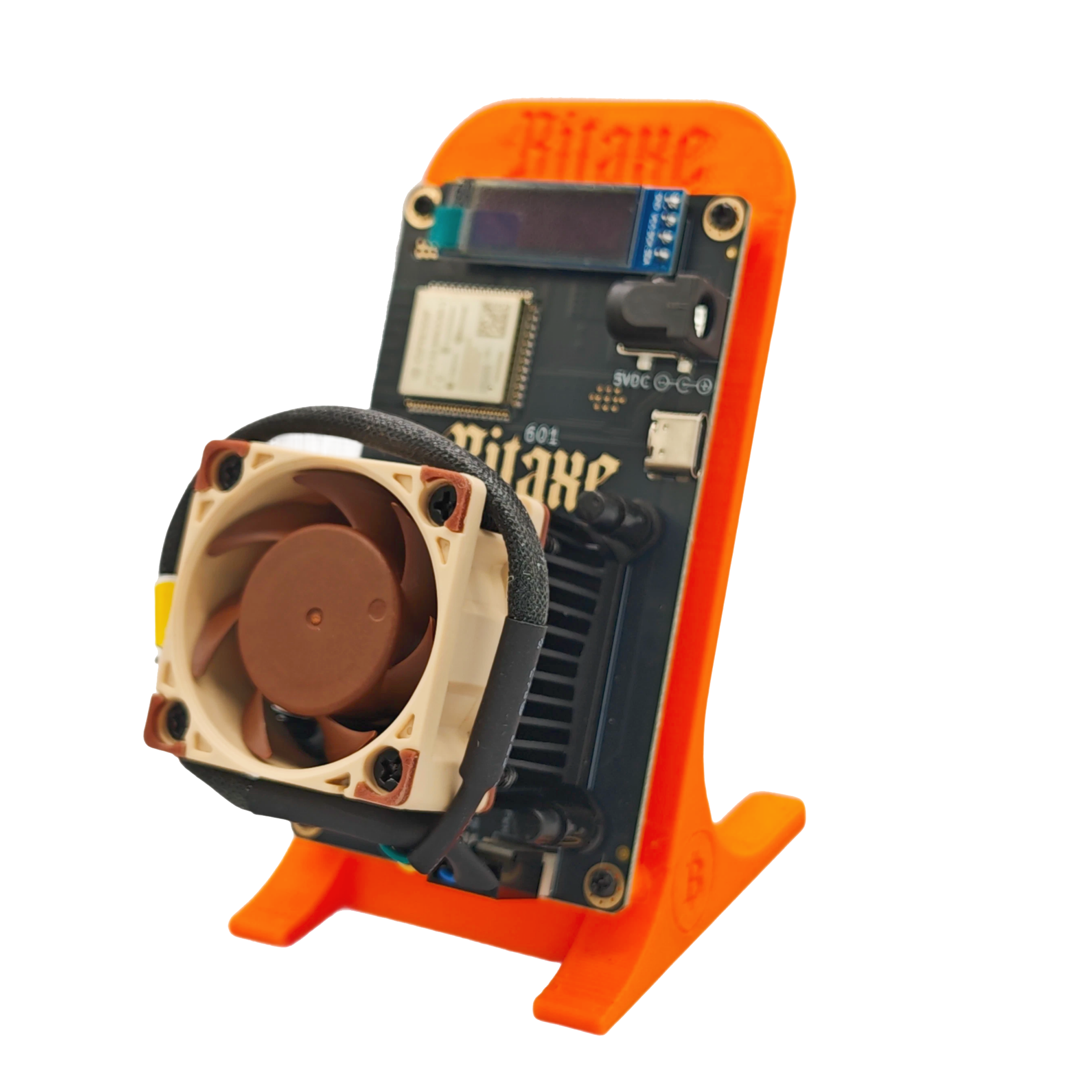
2. The “Lottery Ticket” (Bitaxe / Nano Miners)
Devices like the Bitaxe Gamma or NerdOctaxe use actual ASIC chips (the same ones found in industrial rigs) and hash at 200 GH/s to 10 TH/s.
Reality: These give you a non-zero chance. At current 2026 network difficulties, a 1 TH/s device has roughly a 1 in 1.1 million chance of finding a block each day.
3. The “Serious Gamble” (Full ASICs)
These are industrial machines like the Antminer S21, hashing at 200+ TH/s.
Reality: Even with this massive power, you are looking at roughly a 1 in 15,000 to 1 in 30,000 chance per day. On average, it would take 40 to 80 years to “find” a block.
The Math: Solo Mining vs. The Lottery
To put this into perspective, let’s compare a mid-range solo miner (the kind often seen on YouTube) against the odds of a major national lottery like Powerball.
Event Odds of Winning
Powerball Jackpot (1 ticket) ~1 in 292,201,338
Solo Mining 1 Block (NerdMiner – 75 KH/s) ~1 in 15,000,000,000,000,000
Solo Mining 1 Block (Bitaxe – 500 GH/s) ~1 in 2,300,000 (per day)
Solo Mining 1 Block (Full ASIC – 200 TH/s) ~1 in 15,000 (per day)
While the odds of a Bitaxe are “better” than a single Powerball ticket, remember that you are paying for the hardware ($150–$500) and the electricity to keep it running 24/7.
Why YouTubers are Pushing These Devices
You may have noticed a surge in “Best Home Miners for 2026” videos. There are three primary reasons these devices are trending:
Affiliate Marketing: Most reviews include “discount codes” or affiliate links. Because these devices are inexpensive ($50–$300), they have a high conversion rate compared to $5,000 industrial miners.
The “Lotto” Hook: Influencers frame these as “set it and forget it” lottery tickets. It is a compelling narrative: a small box on your desk could theoretically make you a millionaire overnight.
Aesthetic Appeal: Modern solo miners are designed to look great on a desk. They feature high-res screens, RGB lighting, and “dashboards” that make the user feel like they are part of the network.
The Influencer Disclaimer: Many creators focus on the “fun” and “educational” aspect to avoid being accused of selling a bad investment. They often say, “Don’t expect to make money,” while simultaneously showing a thumbnail of a $300,000 Bitcoin prize.
Is Solo Mining Worth It?
If you are doing it for profit, the answer is almost certainly no. You are paying a premium for hardware that will likely never pay for itself.
However, solo mining does serve a purpose:
Decentralization: By solo mining (especially if running your own node), you help keep the Bitcoin network robust and distributed.
Education: It is the best way to learn how the “heartbeat” of a blockchain actually works.
The “What If”: If you treat the $200 spent on a Bitaxe as “entertainment money”—similar to buying a few years’ worth of lottery tickets—then it can be a harmless hobby.
